
EcoWest News, September 22, 2026
Welcome to EcoWest News, a weekly round-up of news and resources that you can put to use in addressing environmental issues and protecting the wild in your community.
Biodiversity
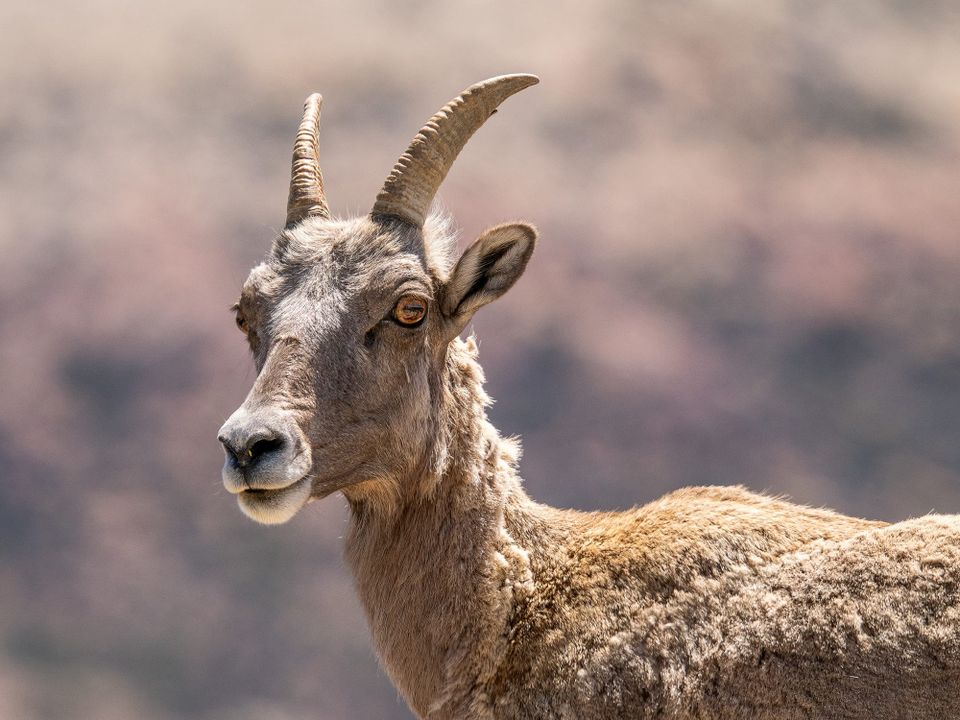
Advocates are putting pressure on the government and the insurance industry to clean up after fuel truck crashes and spills that endanger the wild sheep in northeastern BC. [The Tyee]
Holes and crevices in trees provide animals with a refuge from climate extremes, buffering against high and low temperatures. Artificial nesting boxes don’t provide the same benefits and need to be adapted to replicate what happens in nature. [Anthropocene]
The co-founder of the Native Species Network says some plants we label as invasive still serve a purpose by providing food or shelter to native species. Decisions to remove invasive plants should be made on a case-by-case basis, depending on the role the plants play in the local ecology. [The Revelator]
Water
BC is experiencing drought year after year but continues to treat it as a short-term problem. Proactive planning needs to include monitoring, water conservation and efficiency, as well as watershed planning and solutions. [The Conversation]
Increasingly sophisticated flood forecasts are providing Juneau officials and homeowners in the flood zone with advance warning. “The goal … is to find the best way to provide people with information that gives them the power to make decisions.” [Grist]
Forests
The syilx Okanagan Nation says designating lands as a Working Forest [a new BC government initiative] raises fundamental questions about how the health of the land is valued and who determines its future. “A forest cannot be defined only by the timber that can be taken from it. Our forests hold water, provide habitat, sustain our foods and medicines, and carry generations of syilx knowledge and responsibility. Decisions about how these lands will be managed must begin with the health of the land and the involvement of the title holders whose territories are being affected.” [Syilx Okanagan Nation Alliance]
Climate Communications
The best way to learn about climate change may be by playing a video game: “games can subtly ring the alarm bells, while also helping us envision a more hopeful future”. [Sierra Club]
A US survey indicates that, while climate may not be a priority during an election campaign, emphasizing climate increases a candidate’s support rather than lessening it. Most clean technologies are broadly popular. [UC Santa Barbara]
A small town on the coast of Maine provides a blueprint for building climate resilience in conservative, rural communities. They asked residents what tools they needed in the face of worsening weather conditions rather than focusing on climate change. [Atmos]
Making a Difference
Jackie Hildering is a cold-water diver, underwater photographer, humpback whale researcher, and biology educator. She hopes that by introducing people to the vibrant life hiding beneath the dark waters off northeastern Vancouver Island, they will want to be advocates for the ocean themselves. [The Tyee]
A Swedish company is finding creative uses for retired wind turbines: a nacelle finds new life as a tiny house, blades become skis or the façade of a car park. [EuroNews]
Celebrating Success
As 95% of Vancouver Island’s Garry oak ecosystem was gradually lost to agriculture and urban development, bluebirds began to disappear and were declared extinct in the 1990s. Thanks to a volunteer-run nesting box program, there are now 286 bluebirds in the Salish Sea area. [The Tyee, CBC]
The Yellowstone to Yukon Conservation Initiative (Y2Y) is one of three finalists for the 2026 Earthshot prizes, providing increased recognition of the work they’re doing to connect and protect habitat from Yellowstone to Yukon. [CBC]
Nature’s Wonders
The house spider “is a remarkable creature: a speedy hunter, a helpful housemate, who is just perhaps a love-struck boy desperately trying to find a girlfriend before winter arrives.” [The Wildlife Trusts]
Photo credit: https://www.flickr.com/photos/apmckinlay/55420873613
EcoFriendly West informs and encourages initiatives that support Western Canada’s natural environment through its online publication and the Nature Companion website/app. Like us on Facebook, follow us on BlueSky, X, and Mastodon, or subscribe by email.
Member discussion