
EcoWest News, July 28, 2026
Welcome to EcoWest News, a weekly round-up of news and resources that you can put to use in addressing environmental issues and protecting the wild in your community.
Biodiversity
The Manitoba Wildflower Garden Guide features native species that thrive in Manitoba with practical tips to create a beautiful garden that supports pollinators and local biodiversity. [Watersheds Canada]
The Nature Conservancy of Canada has acquired 45,000 hectares of land in southeastern BC’s Elk Valley, a major corridor for wildlife coming out of Banff, moving south, and heading into the States and down to Glacier National Park. [Bow Valley Insider]
Alberta has undertaken a grizzly bear survey to obtain information on grizzly bear populations, habitat use, and ecology to help guide future management and recovery decisions. [Calgary Herald]
Researchers have found three distinct populations of Western Toads. Calling toads east of the Rockies and non-calling populations west of the Rockies that lack vocal sacs are genetically distinct. There is a third distinct group in the southern Canadian Rockies, likely extending into Montana. [The Wildlife Society]
Oil
Alberta’s plan for a southern pipeline faces multiple hurdles, especially through the Fraser valley. These include seismic issues, space constraints, oil and marine spills, tanker traffic, cumulative effects, and environmental impact. [CBC] Not to mention the potential for weak international demand for oil, political and social opposition, and the economic burden on taxpayers. [The Conversation]
Studies of carbon capture technology outline high costs, serious risks, geological side effects, and broken promises. By promoting it, the federal and Alberta governments are giving citizens “the impression that a technological pathway to halt the climate crisis is in the works when no such solution exists”. [The Tyee, The Narwhal]
Construction
If we want our buildings and cities to truly be sustainable—that is to say, healthy, adaptable, and equitable—then we’ll need to rise to the aspirational challenges that circularity poses by incorporating reuse, disassembly, and healthy building materials sourced locally. [Common Edge]
Energy-efficient homes and buildings are increasingly viewed as a practical way to lower costs, improve affordability, and create greater financial stability. There is broad support for governments helping to make those solutions more accessible. [Abacus Data]
A Step Backwards
A network of consensus-based advisory organizations that helped shape environmental policy on water and air quality, land stewardship, and watershed management defused polarization and increased transparency. The Alberta government has shut them down. [The Tyee]
BC companies have started logging at higher elevations where trees are small and slow-growing and replanting is difficult. Many of the fallen trees will become wood pellets for a thermal electricity plant in northern England. [The Tyee]
Making a Difference
Alternative Land Use Services’ farmer-led approach has proven productive in encouraging farmers to build shelter belts and water retention ponds or plant native grasses along creeks and in cow pastures. “The focus is building protection on less productive land, which makes the better land more profitable.” [CBC]
WhaleSpotter technology uses AI models to detect whales of any species reliably up to 2 nautical miles away. That information can then be shared with ferries, cargo ships, and other vessels, giving them enough time to adjust their route. [Inside Climate News]
From raccoons solving puzzle boxes in California to dogs leaving saliva samples in Morocco, scientists are experimenting with less invasive ways to study wildlife. The shift could make research more ethical and more accurate. [Atmos]
DIY
Putting the wrong items (e.g. zipper lock bags, improperly cleaned containers, household appliances) in your recycling bin could unintentionally send whole loads to the landfill. [CBC]
If drivers of gasoline cars refrained from speeding, they would collectively save an average of 57,000 metric tons of carbon emissions every day in the United States – while spending less than a minute more behind the wheel. [Anthropocene]
Nature’s Wonders
If you live in Metro Vancouver, be on the lookout for brown pelicans. [CBC]
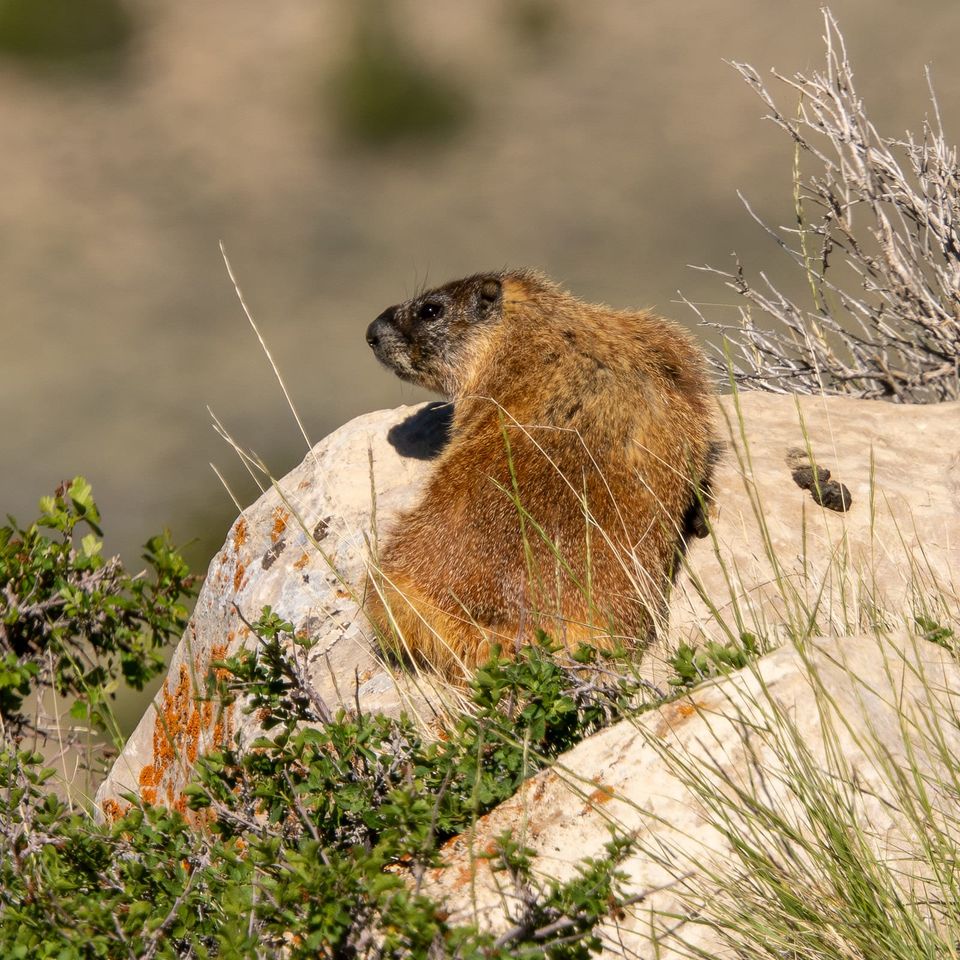
Photo credit: Yellow-bellied Marmot https://www.flickr.com/photos/apmckinlay/55419772292/
EcoFriendly West informs and encourages initiatives that support Western Canada’s natural environment through its online publication and the Nature Companion website/app. Like us on Facebook, follow us on BlueSky, X, and Mastodon, or subscribe by email.
Member discussion