
EcoWest News, July 21, 2026
Welcome to EcoWest News, a weekly round-up of news and resources that you can put to use in addressing environmental issues and protecting the wild in your community.
Biodiversity
Restoring Oregon’s Whychus Creek so it was hospitable for salmon and steelhead also protected the river corridor when a wildfire swept through the area. [Magic Canoe]
Caribou depend on undisturbed forests of a sufficient age to grow crops of dark hair lichens, their primary food source in winter. But logging companies are also targeting these forests, creating an economic conflict. [Wildsight]
Energy Options
Salmon, southern resident killer whales, and migratory birds could pay the price for a major port expansion and the introduction of a 5 km-long causeway and jetty to service crude oil carriers at the mouth of the Fraser River. A spill would cause incredible devastation. [The Narwhal]
“There’s a lot of focus on how to supply energy, but not really on how to use it more efficiently, which is a bit of a paradox … If you think about one kilowatt saved, it’s totally immune to any price [change], any supply disruption. So it’s actually a very smart way to do things.” [The Energy Mix]
A Paris court has held TotalEnergies legally responsible, not just for the emissions from its operations, but for the emissions produced when the oil and gas it sells are ultimately burned. [EU Observer]
Protecting Our Health
Canada is providing less protection than US states in setting residential setbacks from fracking sites. Shorter distances are linked to impaired fetal growth, higher rates of congenital birth defects, poorer lung function, and gestational hypertension. [The Conversation]
Tackling Pollution
Fibreglass particles are accumulating in coastal sediment in BC, particularly near marinas and boat maintenance sites, and may represent an emerging form of pollution with implications for coastal ecosystems and food webs. Practical solutions already exist; by acting now we can limit the pollution. [The Conversation]
The Next Frontier
The US Federal Communications Commission has approved launching a giant space mirror to test providing ‘sunlight on demand’. It’s just one of many commercial space project proposals ranging from space burials and advertising to solar energy; however, unfettered growth comes with serious consequences: “Doing more with less is the engineering challenge that needs to be met if we want to continue to use satellites in orbit.” [The Conversation]
Have Your Say
SaskPower is proposing a 155km transmission line that could cut through Saskatchewan Landing Provincial Park and Matador Community Pasture. Native grassland would be affected. Saskatchewan residents are encouraged to attend an open house or provide feedback in support of alternative routes. [Public Pastures-Public Interest]
Making a Difference
Sustainable Brandon, an activist group with ties to Knox United Church, is reaching out and talking with local residents about issues ranging from power generation and flooding to bike lanes. [The Tyee]
One School One Farm has partnered with Redberry Lake Biosphere Region to create a native seed collection guide for the moist mixed grasslands, aspen parklands, and boreal transition ecoregions of Saskatchewan. [One School One Farm]
Osoyoos Indian Band plans to clear out two woodland areas burned in the 2021 Nk’Mip fire and plant deciduous trees, larch, douglas-fir, berries, and medicinal plants to restore diversity, encourage wildlife, and enhance wildfire resilience. [The Narwhal]
Calgary Climate Hub has launched a Plug-In Solar campaign website for communities across Canada to learn more about plug-in solar and advocate for its implementation in Canada. [Plug-In Solar for Canada]
Avalon Master Builders of Calgary are constructing affordable net-zero homes with side benefits – very low utility costs, an abundance of fresh filtered air, and the comfort of a home that stays at a steady temperature through all sorts of weather conditions. [David Dodge]
Reuse Commons brings together Seattle organizations working in the circular economy, offering refurbished furniture, bikes, and other goods in one location. The facility will also host repair workshops and community pop-up sales. [Reuse Commons]
Valencia is transforming its cemeteries into Spain’s largest urban solar farm. [European Commission]
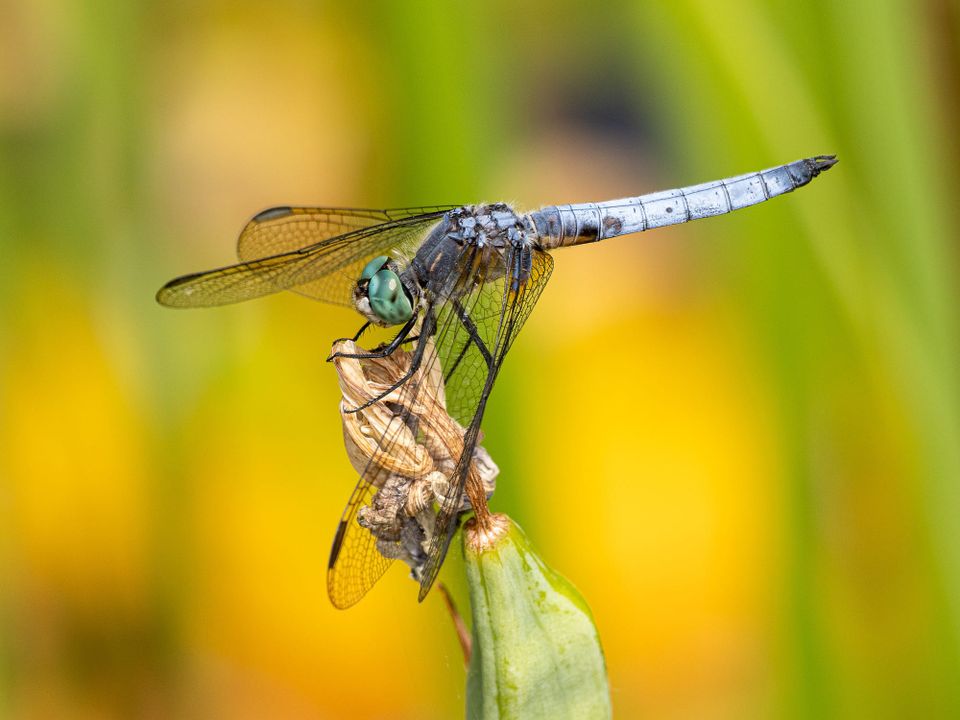
Photo credit: https://www.flickr.com/photos/apmckinlay/55389971794/
EcoFriendly West informs and encourages initiatives that support Western Canada’s natural environment through its online publication and the Nature Companion website/app. Like us on Facebook, follow us on BlueSky, X, and Mastodon, or subscribe by email.
Member discussion